
Clear aligners have become a popular alternative to braces due to their discreet nature. They can help you reach your perfect smile without the brackets or wires of traditional braces.
It is important to note though that they will only work effectively if you take good care of them. Neglecting their care can lead to staining, bad breath, tray breakage or delays to your treatment plan.
Taking care of your aligners is not difficult or complicated, but it requires you to be consistent and careful at times. This guide aims to support you in caring for your clear aligners but remember that you can always contact Dental @ Niddrie for more advice.
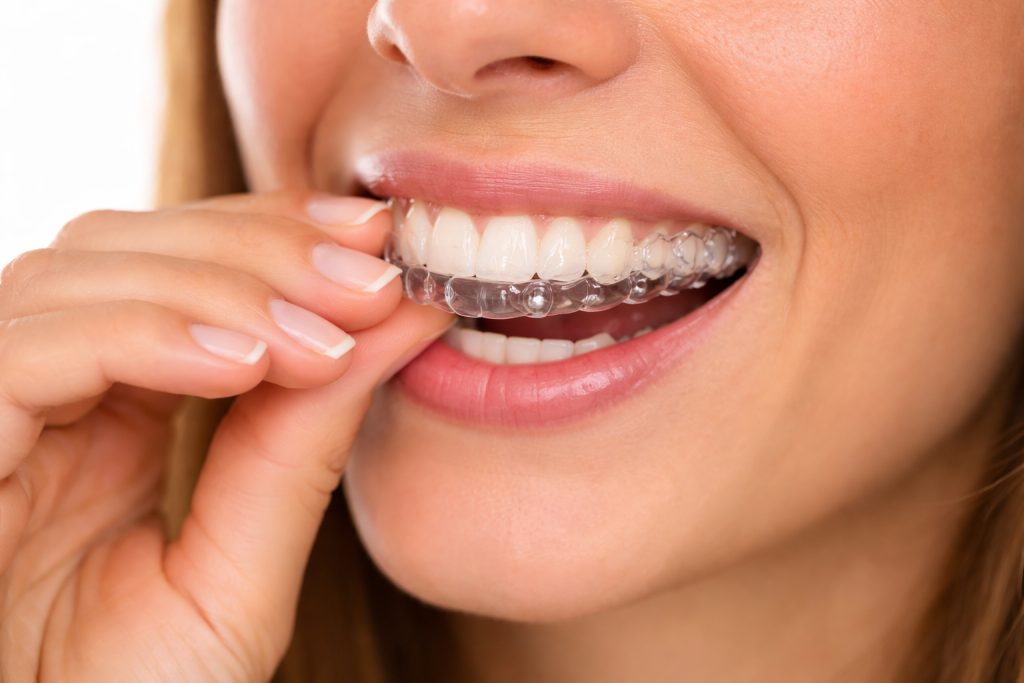
The Do’s: Best Practices for Aligner Care
1. Do Rinse Them Immediately
Every time you remove your aligners, you should rinse them in lukewarm water to remove any stray particles of food or drink transferred from your teeth. These could cause irreversible staining if left on your aligners without rinsing, so this step is vital.
It is important to use lukewarm water, not cold or hot. Cold water will not effectively rinse saliva and food particles away, while hot water may warp your aligners’ shape. This leads to a loss of their custom fit and therefore a delay in your treatment while you wait for new aligners to be made.
You should also rinse your mouth when removing your aligners, to maintain peak freshness.
2. Do Clean Them Daily
You should remove your aligners every time you eat or drink anything other than water. Each removal should be followed by the routine of rinsing them with lukewarm water.
Once a day, you should clean your aligners with mild soap and soft brush. Toothpaste should not be used, as it is too abrasive and can cause a cloudy residue to build up on the trays. The trays may become scratched by harsh brushing, hence the need for a soft toothbrush.
There are also cleaning crystals available that can be dissolved into a solution that will deep clean your aligners with a few minutes’ soak. Talk to your dentist about the best cleaning routine for your aligners to ensure that you are making the best choice on your journey to your perfect smile.
3. Do Store Them Safely
It may be a tricky habit initially, but you should always put your aligners back in their case when you aren’t wearing them. Absentmindedly placing them elsewhere can easily lead to them becoming lost or being accidentally thrown away.
Leaving aligners out on a surface exposes them to bacteria that you don’t want to transfer into your mouth. If they are left within reach, aligners may be tempting for young children or pets to chew, causing damage that you will need to pay to repair.
The aligner case is designed to protect the trays from damage and prevent unnecessary bacteria reaching them while they aren’t being worn. Keep it with you at all times, so that wherever you are, you can remove your aligners safely and know that they won’t be lost or damaged. Proper storage will protect the investment that clear aligners are.
4. Do Maintain Your Oral Hygiene
Clean teeth are healthy teeth, and while undergoing aligner treatment this is especially important. You should always brush and floss before putting in your aligners each morning and evening. Antimicrobial mouthwashes can also be useful in keeping your mouth as clean as possible.
If it is not possible to fully brush your teeth after eating, e.g. when you’re not at home, then at least ensure that your mouth is rinsed and your aligners are visibly clean before replacing them. Food and plaque trapped for extended periods under your aligners can cause staining on the trays and cavities on your teeth.
The Don’ts: Mistakes to Avoid
1. Don’t Use Hot Water or Harsh Cleaners
Hot water is too extreme for the plastic trays. It can cause warping that makes for discomfort in your mouth or can stop the aligners fitting at all. This leads to delays in your treatment while you wait for new trays to be made and can incur additional costs.
Harsh cleaners such as toothpastes or bleach can damage the aligners by scratching the clear plastic or weakening their structural integrity. They may also leave behind a residue or strong taste, which is why you must only use mild soap and a soft brush to clean your aligners.
2. Don’t Eat or Drink (Except Water) with Aligners in
You should always remove your aligners before eating and before drinking anything except water.
Hard foods can cause the trays to crack or weaken, while drinks with a strong colour such as coffee, some carbonated drinks or red wine can stain your aligners or make them look cloudy. Sugary foods and drinks can become trapped under the trays against your teeth, leading to the development of cavities.
At the very least after eating or drinking, you should rinse your mouth with water. If possible, you should brush your teeth after every meal and snack before replacing your aligners.
3. Don’t Neglect Any Discomfort
When starting aligner treatment and with each tray change, it is usual to feel some pressure or discomfort. This shows that your teeth are being gradually adjusted, and it should fade with time.
It is normal for your aligners to feel tight at times and there may be initial pressure and irritation after tray changes. These can be relieved with over-the-counter painkillers or simple at-home remedies such as using orthodontic wax for rubbing edges.
Sharp pain, non-healing sores or pain that only worsens should not be ignored. These could signal a poor fit, damage to the trays or an underlying dental issue. If ignored, teeth and mouth problems can develop and lead to additional complications.
Ongoing discomfort shouldn’t be pushed through. Consult your dentist for support to keep your treatment on track.
Working with Your Dentist: A Partnership for Success
Aligner treatment is at its best when the patient and dentist can work together successfully.
The dentist will monitor your progress and can make adjustments to your treatment plan if needed. They can guide you on caring for your trays and your oral hygiene as well as managing any discomfort.
As the patient, you must wear your aligners as instructed and report any problems promptly. Following hygiene advice from your dentist is vital.
Teamwork between dentist and patient keeps treatment on schedule and stress free. At Dental @ Niddrie this is what we strive for, so contact our team to see how we can support you on your journey with clear aligners.


